Your First Trip to Japan from Dubai: Route, Rail, Food and Etiquette
A 9-night first route through Tokyo, Hakone, Kyoto, Nara and Osaka, whether the rail pass is still worth it, IC cards, etiquette, halal food, seasons, budgets and visa basics for UAE residents.
In this guide
I grew up between Kyoto and Dubai, and I plan first trips to Japan almost every week. The questions are always the same: is it too complicated, is the rail pass worth it, will I find food, and how do I not offend anyone? Japan is one of the easiest countries in the world to travel once you know a few rules, and one of the most rewarding. Here is how I would plan your first visit from the UAE.
A 9-night first route
This is the route I recommend most, and the shape of our Tokyo and Kyoto holiday:
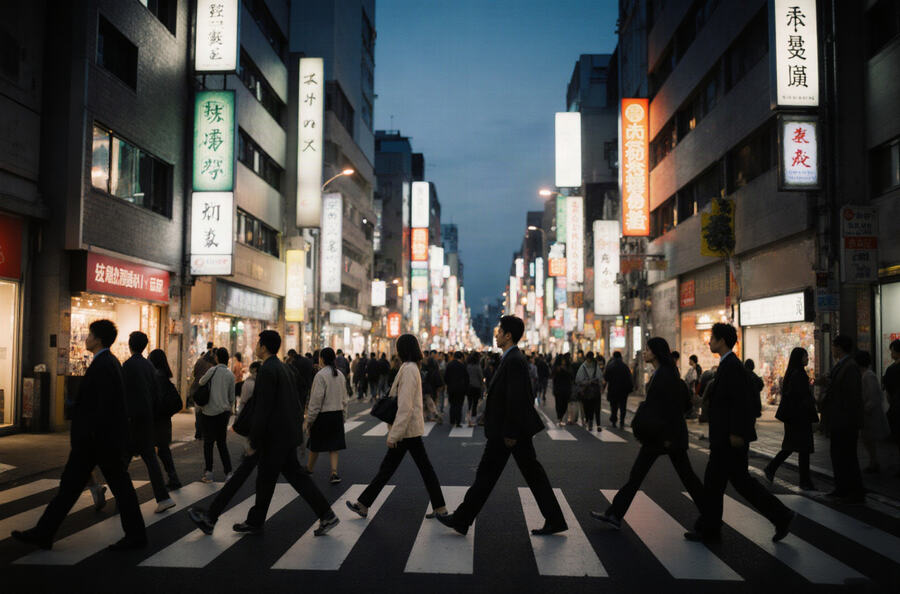
- Nights 1 to 4, Tokyo: Asakusa and Senso-ji early in the morning, the Shibuya crossing, Meiji Jingu, a digital art museum on the bay if you like it, Tsukiji outer market for breakfast, and an evening in Shinjuku. Take a day trip to Nikko or Kamakura if you have energy.
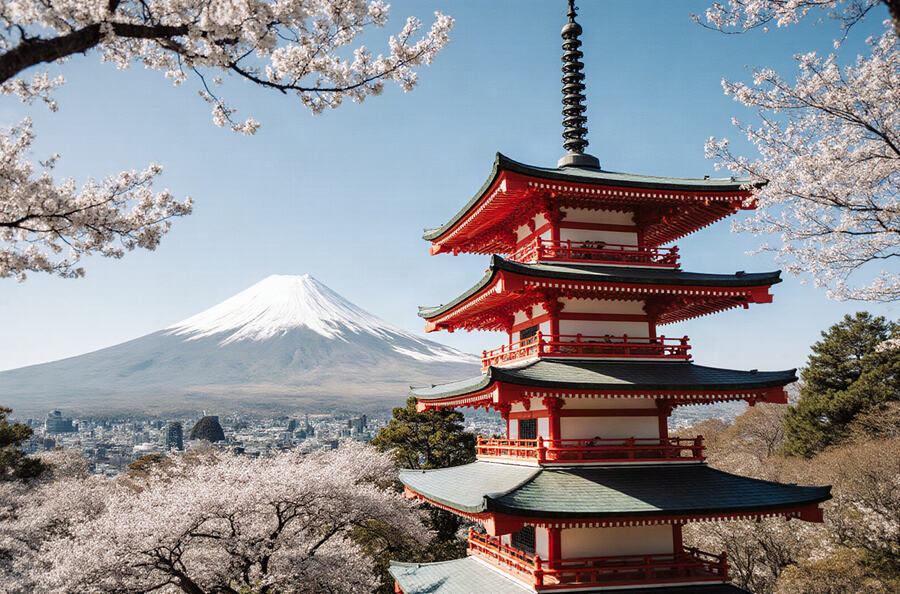
- Night 5, Hakone: a ryokan with a private onsen, the Hakone ropeway over the volcanic valley of Owakudani, a boat across Lake Ashi, and on a clear morning, Mount Fuji.
- Nights 6 to 8, Kyoto: Fushimi Inari at 7:00 before the crowds, Kiyomizu-dera, the Gion lanes at dusk, Arashiyama bamboo grove and Kinkaku-ji. Spend one day in Nara with the deer of Nara Park and the giant Buddha at Todai-ji, 45 minutes away.
- Night 9, Osaka: Dotonbori street food, Osaka Castle, then fly home from Kansai.
With 8 nights, take one night off Tokyo. With 10, add a second Hakone night or a night in Kanazawa. Arriving in Tokyo and leaving from Osaka saves you a full day of backtracking.
Getting there and the time difference
There are direct flights from Dubai to Tokyo and to Osaka, about 9.5 to 10 hours eastbound and around 11 hours back. Japan is five hours ahead of the UAE. The overnight flights land in the late afternoon or evening, which works well: have a light dinner, sleep at local time and you are mostly adjusted by day two. Coming home is easier, as you gain five hours.
My jet lag tips: on the flight, sleep from roughly midnight UAE time, drink plenty of water, and on your first Tokyo day spend the morning outdoors in daylight. Do not plan a 6:00 start on day one.
The rail pass question
The national rail pass used to be an automatic recommendation. In October 2023 the price rose by around 65 to 70 per cent: the 7-day ordinary pass went from about 29,650 yen to 50,000 yen. For the route above it rarely pays off. Tokyo to Kyoto on the fastest bullet train is about 14,000 yen one way and 2 hours 15 minutes, Kyoto to Osaka is under 1,000 yen on a regular train, and Hakone has its own discounted regional pass.
A rough rule: if you are only going Tokyo to Kyoto to Osaka, buy point-to-point tickets. If you are adding long journeys, for example Hiroshima, Kanazawa or a return to Tokyo, do the maths, because a pass may come out ahead. We price both for every itinerary.
Two useful tips. Book seats on the right side (seat E on most bullet trains) going west from Tokyo for the best Mount Fuji view. And use the luggage forwarding service: send your large suitcases from Tokyo to your Kyoto hotel for about 2,000 to 2,500 yen each, and travel with an overnight bag.
IC cards and getting around cities
For trains, metro and buses inside cities, use a rechargeable IC card such as Suica, Pasmo or ICOCA. They work across most of the country, tap on and off at the gates and also pay at convenience stores and vending machines. You can add one to the wallet on most phones, which is the easiest option, or buy a physical card at major stations. Load 3,000 to 5,000 yen at a time.
Tokyo's network looks intimidating but is logical, with every station numbered and signed in English. Taxis are clean and honest but expensive, and drivers rarely speak English, so show the address in Japanese on your phone. Keep some cash: cards are widely accepted now, but small restaurants, shrines and rural buses still often take cash only.
Etiquette that actually matters
Japanese people are very forgiving of visitors, but these few points make a real difference:
- Shoes: take them off at ryokan, temples with tatami, homes and some restaurants. If you see a step up and slippers, that is your cue. There are separate toilet slippers; do not wear them back into the room.
- Onsen and tattoos: many public hot springs still refuse guests with visible tattoos. Book a ryokan with a private bath (kashikiri), or ask us to find a tattoo-friendly onsen. You wash fully before entering, and swimwear is not worn.
- Quiet trains: no phone calls on trains, keep conversations low, and set your phone to silent.
- No tipping: it can cause confusion. Excellent service is simply expected.
- Eating on the move: avoid eating while walking; stand by the stall or vending machine and finish there.
- Rubbish: public bins are rare, so carry a small bag and take rubbish back to your hotel.
Halal and vegetarian food
Food is easier than most people expect. Tokyo, Kyoto and Osaka all have halal-certified restaurants, including halal ramen in Asakusa, halal wagyu yakiniku and Muslim-friendly sushi. Major airports and several big stations have prayer rooms, and many department stores provide one on request.
The details to know: dashi, the stock in many soups and sauces, is usually made with fish, and mirin, a cooking wine, appears in many dishes. For strict halal or vegetarian needs, I give clients a printed card in Japanese explaining their requirements, which restaurants take very seriously. In Kyoto, shojin ryori, the Buddhist temple cuisine, is entirely plant-based and a highlight in its own right. Convenience stores sell onigiri and salads with clear labels, useful for quick breakfasts.
When to go: blossom, leaves and the months in between
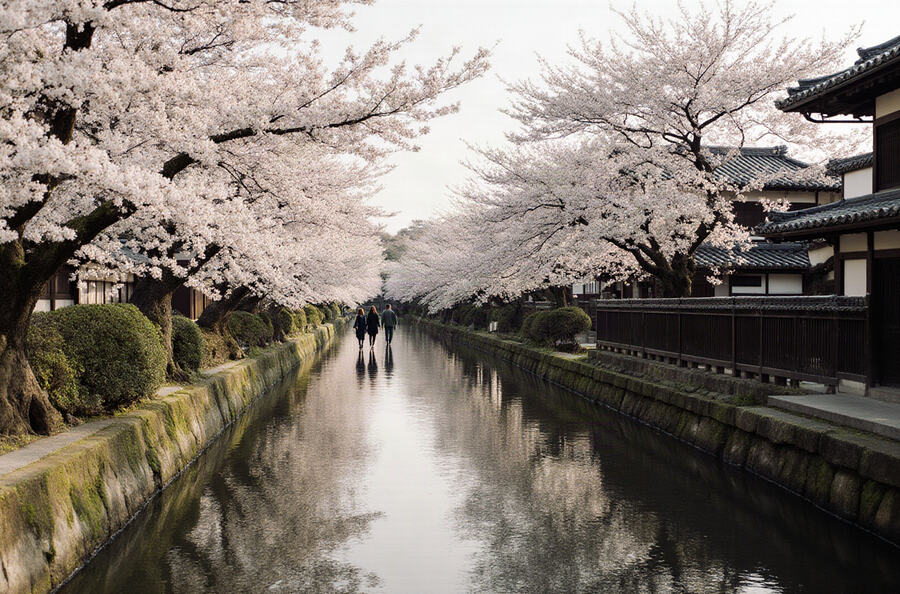
- Cherry blossom: usually late March to early April in Tokyo and Kyoto, with full bloom lasting about a week. It overlaps nicely with the UAE spring school break. Prices rise 30 to 50 per cent and hotels book 6 to 9 months ahead. Our hosted cherry blossom group tour, led by Kevin D'Souza, is from AED 12,900 per person.
- Autumn leaves: Hakone in early to mid-November, Kyoto from mid-November to early December. Equally beautiful and a little less crowded than blossom.
- May and October: my value picks, with comfortable 18 to 24°C weather. Avoid Golden Week, roughly 29 April to 5 May, when locals travel.
- June to August: the rainy season in June, then hot and humid summers of 30 to 35°C. Fine for city trips if you are used to Dubai, but not ideal.
- Winter: cold, dry and clear, with the best Fuji views and lower prices outside New Year.
What a first trip costs
| Item | Typical cost |
|---|---|
| Direct return flight from Dubai, Economy | AED 3,000 to 4,800 per person |
| 4-star city hotel | AED 450 to 850 per room per night |
| Ryokan in Hakone with dinner and breakfast | AED 1,400 to 2,800 per room |
| Trains for the 9-night route | AED 900 to 1,300 per person |
| Food and entry fees | AED 200 to 350 per person per day |
Our 8-night Tokyo and Kyoto holiday starts from AED 10,450 per person twin share with flights, hotels, a Hakone ryokan night, trains and guided days. The yen has been weak in recent years, which makes Japan better value than many people expect.
Visa basics for UAE residents
This is general guidance and depends entirely on your nationality. Some passports, including many European ones, are visa-exempt for short stays, and UAE citizens can travel visa-free after a simple pre-registration. Many other UAE residents need a tourist visa applied for in advance through the Embassy of Japan in Abu Dhabi or the Consulate-General in Dubai, and processing typically takes about five working days. Expect to provide your passport, UAE residence visa, a form and photo, flight and hotel bookings, a day-by-day itinerary, bank statements and an employment letter. Rules change; we confirm the current requirements before you apply.
When you are ready, send me your dates and how many nights you have, and I will build the route around them. Start with our Tokyo and Kyoto holiday, read more on our Japan destination guide, or ask for a tailor-made Japan trip.
Frequently asked questions
Is the Japan Rail Pass still worth it?
How long is the flight from Dubai to Japan?
Is it easy to find halal food in Japan?
Can I use an onsen if I have tattoos?
When is the best time for a first trip to Japan?
Do UAE residents need a visa for Japan?
Prices and visa notes in our guides are examples at the time of writing. The live price is shown on each holiday page and visa requirements are confirmed before you apply.